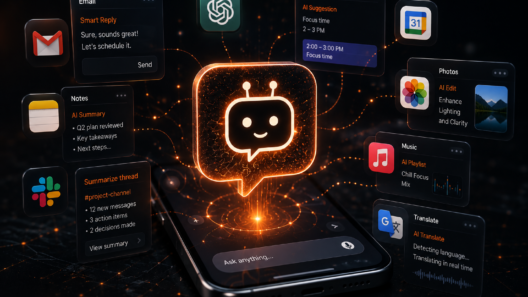




Artificial intelligence is quietly moving from novelty to daily habit. Google has begun letting Vids users insert themselves into AI-generated video clips, turning a productivity tool into something closer to a personal studio. Apple, meanwhile, is rolling out a long-delayed overhaul of Siri in public beta, giving the assistant far deeper access to apps and device functions than before, with early testers saying it noticeably changes how they use their iPhone day to day.
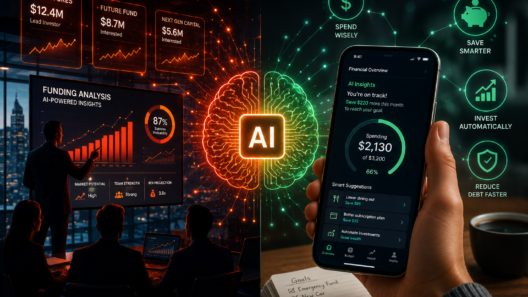
The expansion isn’t limited to consumer gadgets. Regulators are starting to pay closer attention as AI tools creep into sensitive areas like personal finance. In the UK, a senior official at the Financial Conduct Authority recently warned of an emerging ‘arms race’ as millions of people lean on AI systems to help with money decisions, arguing watchdogs need stronger powers to keep pace.
Taken together, these moves suggest the next phase of the AI boom isn’t about flashier chatbots, it’s about assistants embedding themselves directly into video editing, voice control, and financial choices. That convenience comes with tradeoffs: the more these tools see and do on our behalf, the more scrutiny they’re likely to attract from regulators and users alike.