



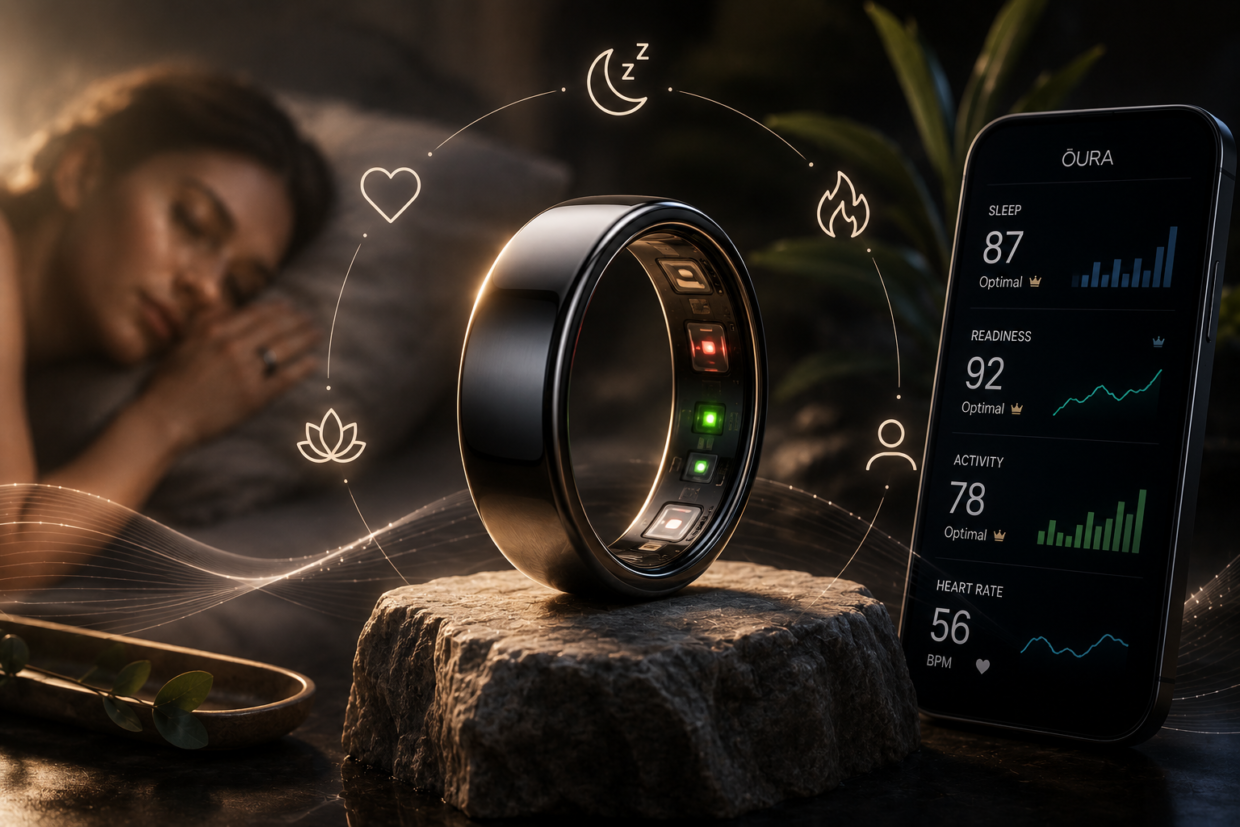
Wearable health tech has spent years piling on features, more sensors, more screens, more alerts. The newest Oura Ring pushes in the opposite direction, and reviewers are responding well to it. Testers describe it as an easy recommendation for people new to sleep and recovery tracking, precisely because it stays out of the way rather than demanding constant attention.
The catch is that people who already own a working Oura Ring may not have much reason to upgrade immediately, the improvements are described as incremental rather than essential for existing owners. That’s a useful reminder for anyone comparing wearables purely on paper specs: newer isn’t automatically better for every user, and the right upgrade depends heavily on what device, if any, someone is replacing.
The broader lesson for the health and fitness category is that simplicity is becoming a selling point in its own right. As smartwatches and rings converge on similar sensor packages, companies that make their data easier to understand and act on, rather than just more abundant, are the ones standing out to reviewers and everyday users alike.